Melissa Leyva, MD Pediatric Gastroenterology in Hackensack, NJ
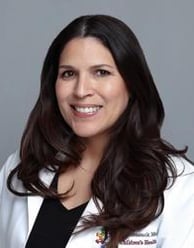

I am a board-certified pediatric gastroenterologist dedicated to helping children and families understand and manage digestive and liver conditions with clarity and compassion. I believe parents should leave every visit feeling heard, informed, and less worried than when they arrived.
My approach combines evidence-based medicine with practical guidance. I care for a wide range of conditions, including abdominal pain, reflux, constipation, feeding difficulties, poor growth, celiac disease, inflammatory bowel disease (Crohn's Disease and Ulcerative Colitis), and liver disorders.
I enjoy partnering closely with pediatricians and specialists, and I take time to explain diagnoses and treatment plans in a way that children and parents can understand. Building meaningful relationships with patients and families is important to me. Being able to combine clinical care, program development, and education to make a lasting difference for children and their families is incredibly rewarding.
Frequently Asked Questions
What health and wellness advice, related to your specialty, do you often share with patients to maintain their health?
I encourage patients and families to remember that health is built through small, consistent choices over time. Focus on consistency, not perfection. Prioritize these 4 basics in your daily routine: (1) food is medicine - so focus on a balanced diet that is low in processed foods and rich in whole foods (2) regular physical activity (3) adequate sleep and (4) stress management.
What medical or health care topics are you most passionate about sharing with the community?
I am passionate about helping families understand children's digestive health, including the role of nutrition and healthy lifestyle habits. I am particularly interested in raising awareness about metabolic dysfunction-associated liver disease (MASLD), which is increasingly common in children and adolescents. MASLD is quickly becoming one of the most common causes for liver transplant in adults. I am excited to play a role in changing the trajectory of this statistic by addressing MASLD in childhood. I also care deeply about improving the identification and treatment of digestive disorders in children with autism. Gastrointestinal symptoms can significantly affect comfort, behavior, and overall quality of life of all children, especially those who are neurodiverse.
What are the top 3 questions you are typically asked by patients within your specialty? And how do you respond?
1. Why is my child having abdominal pain? Abdominal pain is one of the most common reasons children see a pediatric gastroenterologist. I explain to families that abdominal pain can arise from a variety of different causes and we will work together to figure out the cause. By listening carefully to the history given by the parent and the child, we can determine whether testing is needed or whether simple changes in diet and routine may help.
2. Does my child need an endoscopy? Many parents are worried that their child will need an invasive procedure. I explain that most children actually do not need invasive testing. We often start with non-invasive testing, such as blood work, stool studies and sometimes radiology studies. If an endoscopy is needed, I take the time to explain how it may help us get answers and how it may influence treatment options.
3. What if this treatment does not help? Some families come to us after exploring multiple approaches or seeing multiple other specialists. I let families know that there are typically multiple treatment options to explore and I will partner with them to select treatments that are evidence-based, safe, and aligned with the child's and family’s needs.
Philosophy of Care
My approach begins with close listening to understand the child's symptoms and parental concerns. I believe in creating a practical plan that fits the child's routine and family needs. I believe it is important to empower my patients and their parents with the knowledge needed to understand their conditions and make informed treatment decisions.
Scientific Research Articles
Evidence From Human and Zebrafish That GPC1 Is a Biliary Atresia Susceptibility Gene
Genomic alterations in biliary atresia suggest region of potential disease susceptibility in 2q37.3
Publications
Book A Visit
Provider Information
Specialties
Languages
Age groups seen
Hospital affiliations
Education
Certifications
Insurance Coverage
Health and Wellness Center
Comprehensive care in one location—for you and your family.
Similar providers at this location
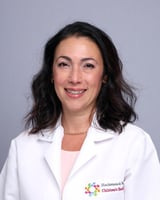
Book a Visit with Inna Novak, MD
Call Us to Schedule
551-996-8840
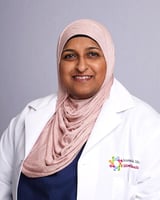

Book a Visit with Shamila B Zawahir, MD
Call Us to Schedule
551-996-8840
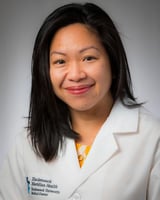
Book a Visit with Tracie Mei Han Wong, MD
Call Us to Schedule
551-996-8840