Robert S Aaron, MD Gastroenterology in Freehold, NJ
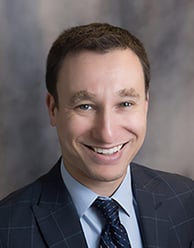
Dr. Robert S. Aaron is a double board-certified specialist in Gastroenterology and Internal Medicine. He is dedicated to providing comprehensive care for a wide range of digestive health issues to the communities served by Bayshore Medical Center.
His clinical practice focuses on conditions such as acid reflux (GERD), Barrett's esophagus, inflammatory bowel disease (Crohn's disease and ulcerative colitis), and irritable bowel syndrome (IBS). Dr. Aaron is also highly skilled in performing critical, life-saving procedures, including colonoscopy for colon cancer screening and upper endoscopy (EGD).
Dr. Aaron earned his medical degree from Rutgers Robert Wood Johnson Medical School. He then completed both his Internal Medicine residency and an advanced fellowship in Gastroenterology at Thomas Jefferson University Hospital. This extensive training provided him with expertise in diagnosing and managing complex diseases of the digestive system.
Frequently Asked Questions (FAQs)
1. What is a Gastroenterologist?
A gastroenterologist is a medical doctor who specializes in the diagnosis, treatment, and prevention of diseases related to the digestive system. This includes the esophagus, stomach, small and large intestines (colon), liver, gallbladder, and pancreas.
2. When should I get a screening colonoscopy?
For individuals at average risk, it is recommended to have your first screening colonoscopy at age 45. This procedure is the most effective tool we have for preventing colorectal cancer. If you have a family history of colon cancer or other risk factors, you may need to be screened earlier.
3. What is the difference between Crohn's Disease and Ulcerative Colitis?
Both are types of Inflammatory Bowel Disease (IBD), but they affect different parts of the digestive tract. Ulcerative Colitis is limited to the large intestine (the colon). Crohn's Disease can affect any part of the digestive tract.
4. What is GERD, and why is it important to treat it?
GERD (Gastroesophageal Reflux Disease) is a condition where stomach acid frequently flows back into the esophagus, causing symptoms like heartburn. While common, it's important to manage GERD because chronic acid exposure can damage the esophagus and lead to more serious conditions, such as Barrett's Esophagus, which is a risk factor for esophageal cancer.
5. What is an upper endoscopy or EGD?
An EGD (esophagogastroduodenoscopy) is a procedure where I use a thin, flexible tube with a camera to examine the upper part of your digestive system. It is commonly used to investigate symptoms like persistent heartburn, difficulty swallowing, abdominal pain, or bleeding.
6. How can I schedule an appointment with Dr. Aaron?
You can schedule an appointment with Dr. Aaron by calling one of the four Middlesex Monmouth Gastroenterology locations he practices at:
- 222 Schanck Road, Suite 302, Freehold
732-577-1999 - 312 Applegarth Road, Suite 102 Monroe Township
609-662-5218 - 100 Commons Way, Suite 150, Holmdel
732-856-9518 - 2 Hospital Plaza, Suite 340, Old Bridge
Frequently Asked Questions (FAQs)
1. What is a Gastroenterologist? A gastroenterologist is a medical doctor who specializes in the diagnosis, treatment, and prevention of diseases related to the digestive system. This includes the esophagus, stomach, small and large intestines (colon), liver, gallbladder, and pancreas.
2. When should I get a screening colonoscopy?
For individuals at average risk, it is recommended to have your first screening colonoscopy at age 45. This procedure is the most effective tool we have for preventing colorectal cancer. If you have a family history of colon cancer or other risk factors, you may need to be screened earlier.
3. What is the difference between Crohn's Disease and Ulcerative Colitis? Both are types of Inflammatory Bowel Disease (IBD), but they affect different parts of the digestive tract. Ulcerative Colitis is limited to the large intestine (the colon). Crohn's Disease can affect any part of the digestive tract.
4. What is GERD, and why is it important to treat it?
GERD (Gastroesophageal Reflux Disease) is a condition where stomach acid frequently flows back into the esophagus, causing symptoms like heartburn. While common, it's important to manage GERD because chronic acid exposure can damage the esophagus and lead to more serious conditions, such as Barrett's Esophagus, which is a risk factor for esophageal cancer.
5. What is an upper endoscopy or EGD?
An EGD (esophagogastroduodenoscopy) is a procedure where I use a thin, flexible tube with a camera to examine the upper part of your digestive system. It is commonly used to investigate symptoms like persistent heartburn, difficulty swallowing, abdominal pain, or bleeding.
6. How can I schedule an appointment with Dr. Aaron?
You can schedule an appointment with Dr. Aaron by calling one of the four Middlesex Monmouth Gastroenterology locations he practices at: - 222 Schanck Road, Suite 302, Freehold
732-577-1999 - 312 Applegarth Road, Suite 102 Monroe Township
609-662-5218 - 100 Commons Way, Suite 150, Holmdel
732-856-9518 - 2 Hospital Plaza, Suite 340, Old Bridge
732-607-9300
Philosophy of Care
My primary goal is to create a partnership with each patient built on trust and clear communication. Digestive health issues can be complex and deeply personal, and I believe that listening carefully to your story is the most important first step.
My role is to educate you about your condition and all available treatment options, from lifestyle changes to advanced therapeutic procedures. By working together as a team, we can develop a personalized care plan that manages your symptoms, improves your health, and enhances your overall quality of life.
Publications
Book A Visit
Provider Information
Specialties
Languages
Age groups seen
Hospital affiliations
Education
Certifications
Insurance Coverage
Health and Wellness Center
Comprehensive care in one location—for you and your family.
Similar providers at this location
Book a Visit with Arthur J Geller, MD
Call Us to Schedule
732-577-1999

Book a Visit with Heather A. Moreira, APN
Call Us to Schedule
732-577-1999
Book a Visit with Colin C Brown, MD
Call Us to Schedule
732-577-1999