Tess Gao, MD Urogynecology in Neptune, NJ
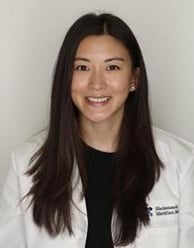
Tess Gao, M.D., is a board-certified urogynecologist specializing in urogynecology and reconstructive pelvic surgery. She is dedicated to providing compassionate, evidence-based, personalized care for women with pelvic floor disorders such as pelvic organ prolapse, urinary incontinence, overactive bladder, fecal incontinence, and other pelvic health conditions impacting quality of life.
Dr. Gao is committed to helping women navigate pelvic health concerns through individualized treatment plans that focus on each patient's preferences and goals, while optimizing outcomes and quality of life. She believes in building meaningful connections with patients by listening to their concerns and providing thoughtful, individualized, evidence-based care.
Dr. Gao received her medical degree at University of Toledo College of Medicine. She went on to complete an Obstetrics and Gynecology residency at Rutgers New Jersey Medical School/Cooperman Barnabas Medical Center. Lastly, she rounded off her expertise by completing a urogynecology and reconstructive pelvic surgery fellowship at Atlantic Health System.
Clinical Interests and Procedures:
- Pelvic organ prolapse
- Pelvic floor reconstruction
- Urinary incontinence
- Overactive bladder
- Voiding dysfunction
- Mesh complications
- Fecal incontinence
- Minimally invasive abdominal and vaginal reconstructive surgery
- Stress urinary incontinence procedures
- Overactive bladder procedures
FAQ:
“What does a urogynecologist treat?”
Pelvic floor conditions such as pelvic organ prolapse, urinary incontinence, overactive bladder, urinary dysfunction, fecal incontinence, recurrent urinary tract infections, mesh complications.
“Is prolapse a natural part of aging?”
No. It is common to develop prolapse as one ages, but this is not a condition that one has to live with. There are various treatment options available to help address this.
“What kind of treatment options are available for urinary incontinence?”
There are a number of different treatments available that range from conservative (lifestyle changes and behavioral modifications) to more invasive such as surgery. Treatment is tailored towards each patient's symptoms and goals.
Book A Visit
Provider Information
Specialties
Languages
Age groups seen
Hospital affiliations
Education
Certifications

Similar providers at this location
Book a Visit Alicia J Palmieri, DO


Book a Visit Ellen Louise Conner, MD