Alex J Soriano, MD Urogynecology in North Bergen, NJ
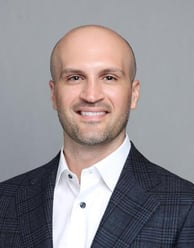
Alex J. Soriano, M.D., URPS, MSCP, is a board-certified urogynecologist and reconstructive pelvic surgeon specializing in the comprehensive management of female pelvic floor disorders, including pelvic organ prolapse and urinary incontinence.
As a high-volume robotic and vaginal surgeon, Dr. Soriano is recognized as a Center of Excellence provider for his expertise in minimally invasive techniques. He offers a full spectrum of surgical and non-surgical treatments, allowing him to create individualized, patient-centered plans that reflect each woman's unique needs and goals.
Dr. Soriano believes every woman deserves to live life on her own terms, free from the limitations of pelvic floor conditions. His greatest reward is helping women reclaim their confidence and return to the activities they love.
SPECIALTIES INCLUDE:
- Minimally Invasive Prolapse Repair
- Urinary Incontinence Treatments
- Advanced Gynecological Surgery
- Bowel Control and Pelvic Reconstruction
“What is pelvic organ prolapse? POP is weakening of the connective tissues in the pelvic floor.” This is caused by multiple risk factors including childbirth, pregnancy, menopause and genetics. POP can present with symptoms of pressure or bulge sensation within the vagina or bladder in addition to urinary and bowel symptoms.
“What are common treatments for women with urinary incontinence?”
Treatments include minimally invasive procedures and non-surgical therapies. Treatments can include pelvic floor exercises, dietary changes, oral medications, bladder Botox injections and neuromodulation stimulators as well as urethral injections and urethral sling procedures. These interventions are based on the patient's individual symptoms as well as bladder testing to characterize each patient's treatment plan.
“What are the advantages of robotic surgery for pelvic floor disorders?”
Robotic surgery is a minimally invasive procedure that reduces recovery time after surgery as well as decreases postoperative pain. Patients feel better faster and return to activities much sooner than traditional abdominal surgery.
Book A Visit
Provider Information
Specialties
Languages
Age groups seen
Hospital affiliations
Education
Certifications

Similar providers at this location

Book a Visit Elka Epstein, PA
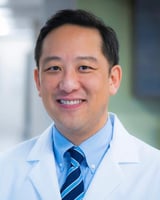

Book a Visit David Tsuwei Chang, MD

Book a Visit Fahad Sheckley, MD
Map & Directions
HMH Urology North Bergen
Call For Hours
9:00 am - 4:00 pm
9:00 am - 5:00 pm
10:00 am - 12:00 pm
12:00 pm - 5:00 pm
Closed