Megan A. Glenn, PSYD Neuropsychology in Neptune, NJ
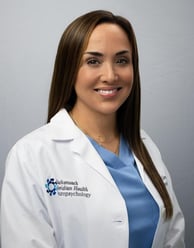

Megan A. Glenn, Psy.D. is a board eligible, fellowship-trained clinical neuropsychologist specializing in the assessment and treatment of geriatric neurocognitive disorders, including age-related cognitive changes, mild cognitive impairment, dementia (including Alzheimer's disease), Parkinson's disease and other movement disorders, normal pressure hydrocephalus, stroke, and traumatic brain injury. She also addresses cognitive changes related to various medical and psychiatric conditions.
Dr. Glenn is a core member of the Center for Memory and Healthy Aging at Hackensack Meridian Neuroscience Institute at Jersey Shore University Medical Center, where she is dedicated to supporting cognitive health and quality of life for older adults. She is known for her culturally sensitive and person-centered evaluation style, emphasizing a flexible, whole-person approach that integrates individual identity, contextual factors, and interdisciplinary collaboration. She brings extensive experience working with patients with complex medical, behavioral, and psychosocial profiles.
She earned her doctorate in Clinical Psychology with a specialization in Neuropsychology from Widener University after completing her pre-doctoral internships at the Penn Memory Center (an NIH-designated Alzheimer’s Disease Research Center at the University of Pennsylvania) and Temple University Hospital. Dr. Glenn’s post-doctoral residency was at the Philadelphia Veterans Affairs Medical Center, where she developed interdisciplinary neuropsychological services in geriatric primary care and geriatric psychiatry, as well as designed and led a brain health education program for older adults with memory concerns.
Dr. Glenn is an affiliate of the American Academy of Clinical Neuropsychology and a member of the International Neuropsychological Society and the National Academy of Neuropsychology.
Philosophy of Care
Dr. Glenn provides thorough, personable, and compassionate care, focusing on differential diagnosis, early detection, and prevention of cognitive decline. She believes in a comprehensive approach, integrating individual identity, contextual factors, and interdisciplinary collaboration to provide the best possible care for her patients.
Scientific Research Articles
Book A Visit
Provider Information
Specialties
Languages
Age groups seen
Hospital affiliations
Education
Insurance Coverage

Similar providers at this location


Book a Visit with Jasdeep S. Hundal, PSYD
Call Us to Schedule
732-897-3700

Book a Visit with Erin Ashley McLean, PHD
Call Us to Schedule
732-897-3700